
Activity is not progress
There's a moment on almost every project where somebody drives by, looks at the site, and forms an opinion about how it's going.
Twenty trucks in the driveway. Guys on scaffold, guys on the roof, a saw running somewhere, a forklift moving material, two subs unloading at once. It looks like the place is on fire in the best possible way. Everybody who sees it thinks the same thing: now we're cooking.
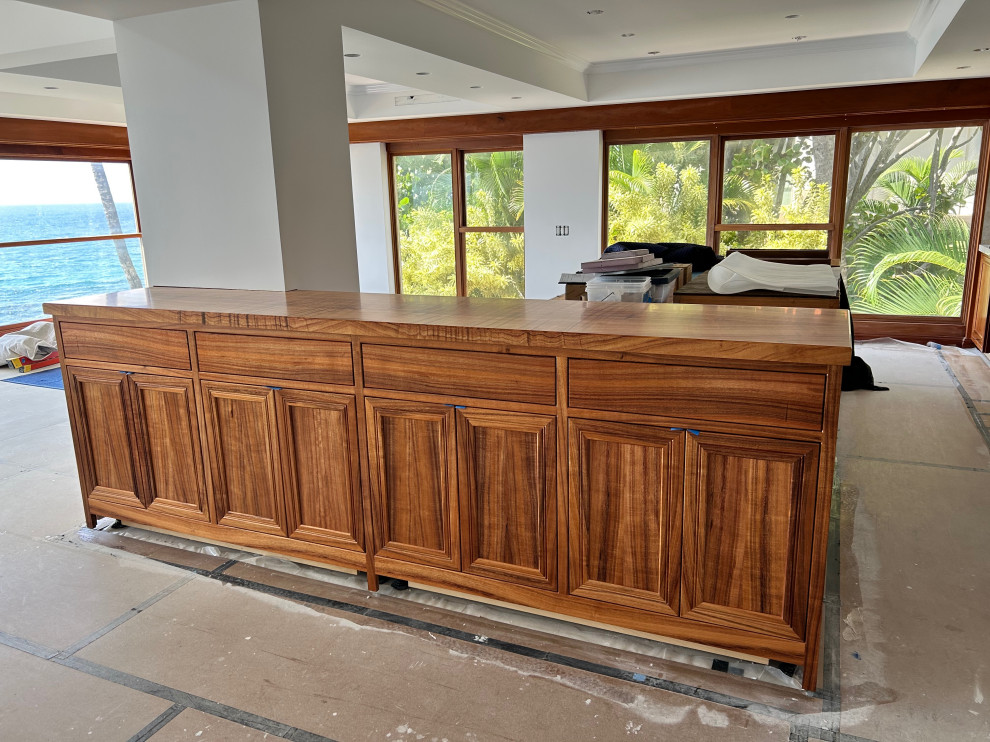
Then there's the other job. Four people on site. Quiet. One crew working through a wall section, methodically, no drama. The owner drives by and thinks: what am I paying for? Nothing's happening.
Here's the uncomfortable part. In my experience, the second job finishes first. It finishes closer to budget, with much better quality, fewer surprises, and without the punch list that turns the last 5% of a project into three months of "nobody's-fault" delays.
Why the busy job looks so good
Crowding a site is the easiest way to look productive, and it's also one of the easiest ways to lose control of a project.
Put enough bodies on a job and something is always visibly happening. But visible motion and forward progress aren't the same thing, and the gap between them is where budgets drop to their death.
What's actually going on inside all that motion is often some mix of :
People waiting, but waiting in place. A trade shows up before the work in front of them is ready. They can't leave — they've got the day booked — so they find something to do. Maybe it's useful. Often it's work that has to be undone later.
Trades stacked on top of each other. Two, three, four crews in the same space, all with a legitimate claim to it. Nobody can work cleanly. Everyone works around everyone. Productivity per person drops through the floor, but the site has never looked busier.
Damage to finished work. This one is brutal because it's invisible in the moment and expensive later. Framing gets notched by a plumber who shouldn't have been in that wall yet. Finished drywall gets scarred moving material through. Tile gets chipped. Someone's boot goes through the shower pan. None of that shows up on a schedule. All of it shows up on an invoice.
Rework from decisions made too early. Work gets installed before the detail was resolved, because standing still felt worse than guessing. Then the detail resolves differently, and out it comes.
Mistakes from moderate competence at scale. A large crew of average hands, barely supervised, will produce a lot of work that is almost right. Almost-right is the most expensive kind of work there is, because you pay for it twice — once to build it, once to fix it — and sometimes a third time for whatever it damaged on the way out.
Add it all up and you get a job that's constantly moving and barely advancing. A lot of going backwards before going forwards. The owner sees energy. The schedule sees churn.
What a controlled job looks like:
The organized project can look almost boring, and that's the point.
The sequencing has been thought through before anybody swings a hammer. The right trade is on site at the right time, and only when the work ahead of them is genuinely ready. Materials arrive before they're needed, not two weeks after. Decisions that have to be made in month four got made in month one, on paper, where changing your mind is almost free.
There may be days when very little appears to happen. Somebody is on the phone with the engineer. Somebody is walking the job with the electrician, marking out rough-in so the framer doesn't have to guess. Somebody is confirming that the window order matches the revised opening dimensions. None of that photographs well. All of it is the reason the job doesn't blow up in month six.
And then the days when work does happen, it happens once. It goes in right, it doesn't get damaged, and nobody comes back to it.
Steady beats frantic. It just doesn't look as impressive from the road.
How to tell which job you're on
If you're an owner and you're not sure which one you've got, the site photo won't tell you. These will:
- Ask for a three-week look-ahead. A builder in control of the job can tell you what's happening next week, the week after, and the week after that — by trade, and why in that order. A builder who can't is reacting, not planning.
- Ask what decisions they need from you and when. If the answers are vague or always urgent, the project is being run day to day.
- Ask how much rework there's been. Not whether there's been any — there's always some. Ask what it was and what changed so it doesn't repeat.
- Watch what happens to finished work. Is it protected? Covered? Or is everyone walking across it?
- Notice whether the site is clean. It's the cheapest tell there is. Organized sites are clean sites, and clean sites have fewer accidents, less damage, and less lost material.
A quiet job that hits its dates is worth far more than a loud one that doesn't.
I'm not arguing for slow. I'm arguing that speed on a construction project is a function of sequence, not headcount. You can't add your way out of a planning problem — you can only make it more expensive and harder to see.
The best compliment a project can get isn't "wow, look at all that activity." It's "we're where we said we'd be, and nothing's been done twice."
If you're partway into a build and you can't tell whether the noise on your site is progress or churn, that's a reasonable thing to want a second opinion on.
Happy to talk it through.